
Why Trauma Can Make You Feel Isolated
Feeling isolated doesn't always mean being physically alone. Many women who appear surrounded by friends, family, and colleagues still carry a heavy sense of separateness that's hard to explain to anyone else. Lots of people struggle with a persistent feeling of being on the outside looking in, whether they’re with acquaintances or close family and friends.
Trauma, especially the kind rooted in childhood or difficult relational history, can reshape how a person views herself, other people, and connection itself. It can teach someone that closeness isn't safe, even when she craves it deeply. The good news is that this isolation isn't a character flaw or a sign that something is wrong with you. It's a common trauma response, and with self-awareness and supportive relationships, as well as professional help, it's possible to feel less alone.
How Trauma Changes the Way You Connect
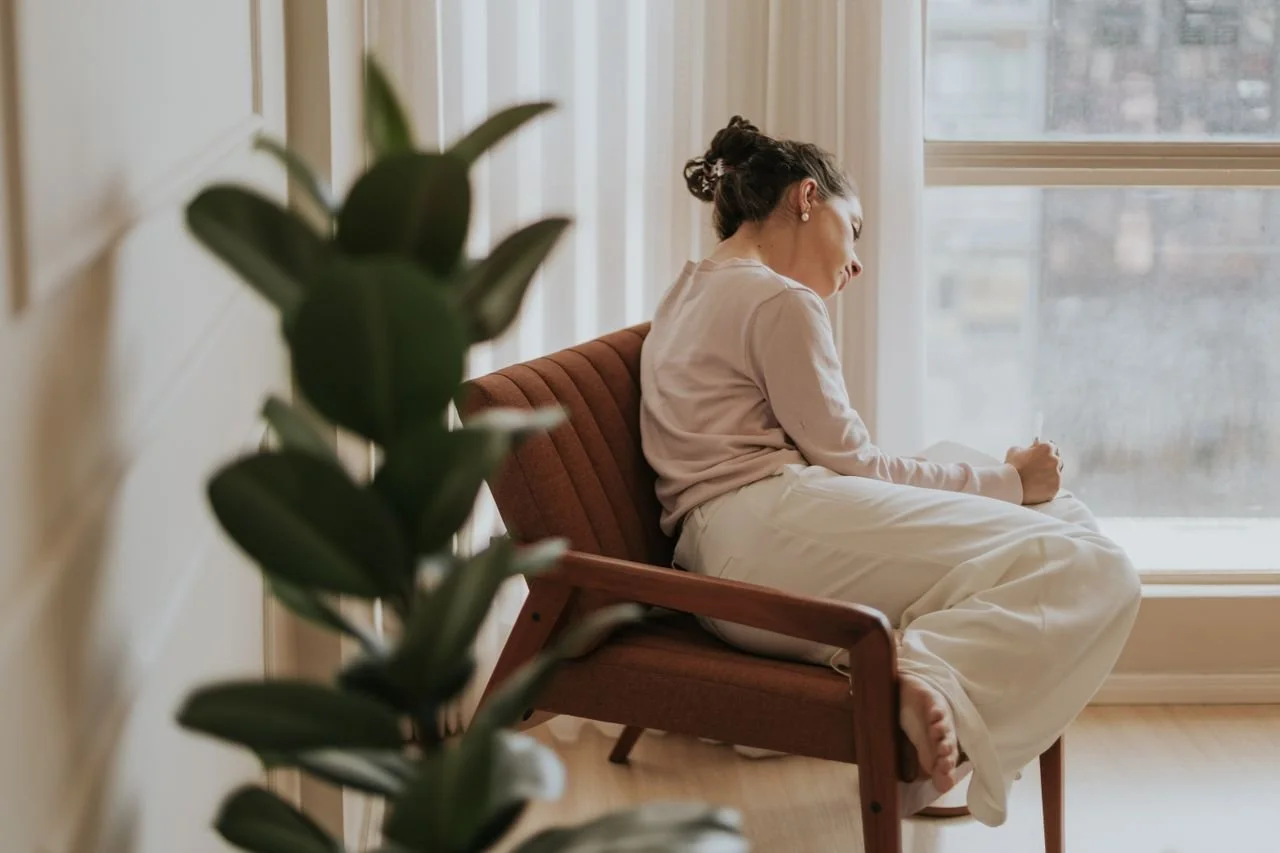
Trauma has a way of disrupting your basic sense of safety and trust. When you've been hurt by people who were supposed to protect or care for you, your mind naturally starts anticipating that pain again.
You might expect rejection or abandonment in relationships where none of that is actually happening. Opening up or relying on someone else can feel risky, almost dangerous, despite the part of you that is longing for that closeness.
These protective patterns aren't random. They developed as survival strategies, ways of keeping you safe when connection once felt unpredictable or unsafe.
Emotional Wounds That Can Lead to Loneliness
Unresolved trauma often leaves behind emotional wounds that quietly fuel loneliness. Shame and a nagging sense of not being good enough are common. So is low self-worth, along with difficulty identifying or expressing what you're actually feeling.
A fear of vulnerability can also take root, making it hard to let anyone see the full picture of your inner world. These feelings create emotional distance. This distance can still linger in relationships that look close from the outside. You can be surrounded by people who love you, yet feel profoundly alone.
Trauma Responses That Reinforce Isolation
Certain patterns can unintentionally keep isolation in place. People-pleasing, or fawning, is one example, where you prioritize others' comfort over your own needs just to avoid conflict. Avoiding vulnerability, withdrawing from relationships, or staying constantly busy are other common responses. These strategies offer short-term relief from painful emotions, but over time they can block the very connection you're seeking.
Healing often starts simply by noticing these patterns in yourself, without judgment or self-criticism.
Rebuilding Connection Through Self-Compassion
Real healing begins with developing a kinder relationship with yourself. Practices like journaling, mindfulness, or simply pausing to notice your emotions without criticizing them can build emotional awareness over time. Learning to validate your own experiences, rather than minimizing or dismissing them, matters just as much as anything you receive from others.
It’s easy to assume that meaningful relationships are built through perfection. But in reality, they're rooted in authenticity, healthy boundaries, and trust that grows gradually, one honest interaction at a time.
How Therapy Can Help Break the Cycle of Isolation
Trauma-informed therapy can help you understand the connection between what happened to you in the past and the relationship struggles you're facing now. It offers space to process unresolved trauma, reduce shame, and strengthen emotional regulation.
Therapy can also help you build healthier attachment patterns and give you a safe environment to practice vulnerability before extending it elsewhere. A good therapist walks alongside you as you relearn what trust can feel like.
Healing from trauma doesn't erase what happened, but it often makes genuine connection and a real sense of belonging feel possible again.
--
If isolation has been weighing on you, reaching out for support can be the first step toward feeling less alone. Contact our office today to schedule a free consultation and learn more about our women's counseling services.