


HEALTH ANXIETY THERAPY
in Arlington, VA and Washington D.C.
Thoughtful Support for Women Whose Minds and Bodies Have Been Through a Lot
Health anxiety can be deeply distressing—not because you’re irrational or fragile, but because your nervous system is trying to protect what matters most.
For many women, health anxiety shows up as persistent rumination, fear about physical symptoms, hyper-vigilance about loved ones’ health, or an ongoing sense that something bad could happen without warning. It can quietly take over mental space, interfere with sleep, strain relationships, and even shape major life decisions—such as whether or when to grow a family.
I specialize in working with women whose health anxiety is rooted in real experiences, not imagined ones.

When Health Anxiety Becomes Relentless
Health anxiety often isn’t a single worry—it’s a constant mental background noise.
You might find yourself:
Replaying medical conversations or test results
Scanning your body for symptoms or changes
Feeling unable to trust reassurance, even from good doctors
Worrying persistently about your children’s, partner’s, or parents’ health
Feeling mentally exhausted by “what if” thinking
Avoiding or delaying family planning because of fear
This kind of anxiety is not a lack of coping skills. It’s often the result of a nervous system that learned—sometimes suddenly—that health and safety are not guaranteed.
Reach out with questions!
Health Anxiety Often Follows Real Medical Experiences
Many of the women I work with didn’t start out anxious about their health. Their anxiety developed after something real happened, such as:
A chronic illness or autoimmune diagnosis
A serious or unexplained medical event
A traumatic hospitalization
A pregnancy or childbirth complication
A frightening postpartum medical experience, including preeclampsia
Repeated medical uncertainty or “near misses”
When your body has been through something frightening, your nervous system may stay on alert long after the crisis has passed. This can look like anxiety—but it is actually a protective response that hasn’t yet learned that it is safe to stand down.
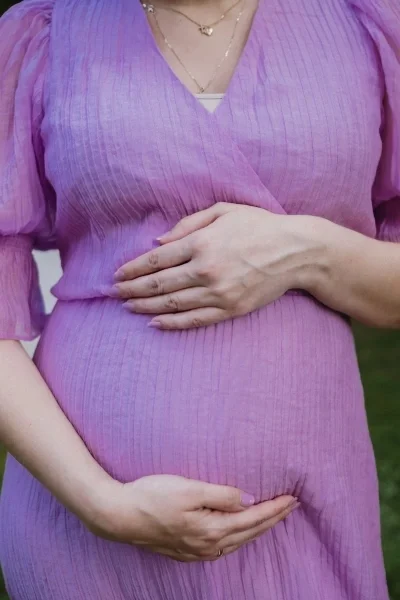
Health Anxiety in Pregnancy and Postpartum
Health anxiety commonly intensifies during pregnancy and after birth, especially for women who experienced complications.
After events such as preeclampsia, many women describe:
Ongoing fear about blood pressure or physical symptoms
Difficulty trusting their body again
Heightened anxiety about future pregnancies
Persistent vigilance that doesn’t ease with time
These reactions are common after pregnancy-related medical emergencies. They do not mean something is “wrong” with you—they mean your nervous system remembers what it was like to be at risk.
How Therapy With a Postpartum and Women’s Mental Health Specialist Helps

Working with a therapist who understands women’s health, pregnancy, postpartum physiology, and medical trauma matters.
In our work together, therapy may focus on:
Reducing health-related rumination without dismissing real concerns
Helping your nervous system shift out of constant alert
Rebuilding trust in your body after illness or medical trauma
Addressing fear that interferes with pregnancy or family planning
Processing medical experiences without re-traumatization
Learning to respond to anxiety signals with clarity instead of panic
This is not about “talking yourself out of worry.” It’s about helping your system recover from experiences that genuinely shook your sense of safety.
A Thoughtful, Respectful Approach
I work in a way that is:
Trauma-informed and consent-based
Grounded in both psychology and physiology
Respectful of your intelligence and medical experiences
Collaborative—not prescriptive
For some women, therapy alone is sufficient. For others, therapy alongside medical or psychiatric support can be helpful. Any conversation about medication is approached carefully, collaboratively, and with full respect for your autonomy.
You’re Not Weak—You’re Responding to What Happened
Health anxiety does not mean you are fragile or incapable. It often means you are someone who has:
Lived through uncertainty
Carried responsibility for others
Experienced a loss of bodily trust
Learned how quickly things can change
With the right support, your nervous system can learn that it no longer needs to work this hard.
Begin Therapy
I provide therapy for women experiencing health anxiety in Arlington, Virginia and Washington, DC, with a specialization in pregnancy, postpartum, and medical trauma.
To learn more or schedule a consultation, click the button here:

Recent Health Anxiety Therapy Blog Posts

Health Anxiety Therapy in Arlington, VA
1530 Wilson Blvd #520, Arlington, VA 22209
Health Anxiety Therapy in Washington, D.C.
4315 50th St NW, Washington, DC 20016