
What Is Generational Trauma and How Does It Affect Women?
Generational trauma refers to the ways unresolved pain and stress from one generation may continue to affect the emotional lives of those who come after. It filters through family relationships, learned coping patterns, and the emotional atmosphere you grew up in. Some researchers suggest it may also involve biological stress-response mechanisms, though this area of study is still developing.
For women, these inherited effects may take on a distinctive shape, influenced by family roles and expectations that determine how emotional pain gets carried and expressed. Understanding how trauma moves through a family means giving yourself permission to recognize a pattern for what it is.
What Is Generational Trauma?
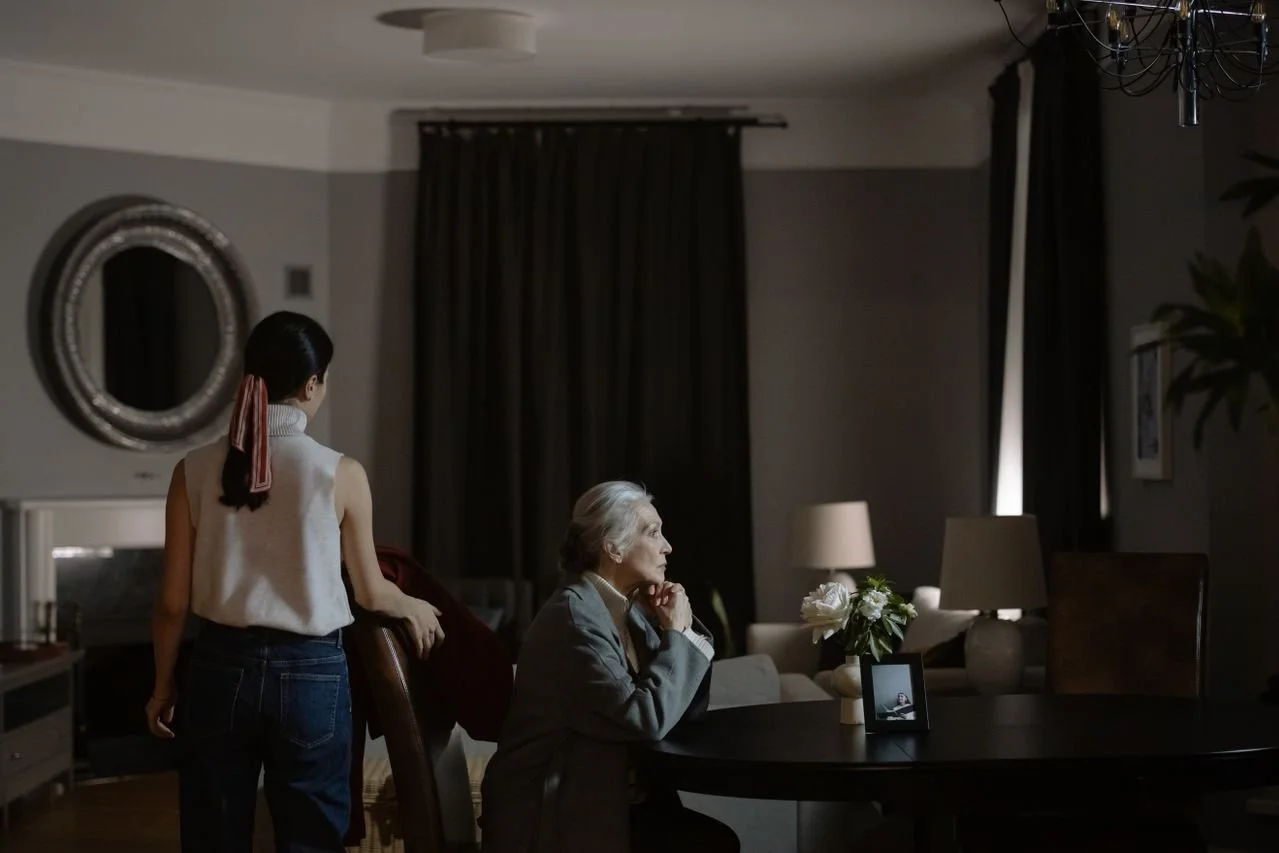
Experiencing trauma directly is different from carrying the residue of trauma that happened to someone else in your family line. When a parent or grandparent lived through significant hardship, such as violence or displacement, the emotional weight of that experience doesn't always end with them.
These experiences may appear in the next generation through relational patterns, including emotional suppression or difficulty forming secure attachments. Coping strategies that helped a family member survive get passed down without anyone naming where they came from. Researchers have also begun exploring biological pathways, including changes in stress-response systems, though this research is still young.
How Does Generational Trauma Show Up in Women?
Generational trauma may influence how you respond to conflict and emotional closeness. If earlier generations equated vulnerability with danger, you might have learned to repress your own feelings before you understood why.
Common signs include anxiety, a persistent sense of alertness, or trouble trusting people who mean you no harm. Perfectionism and caretaking tendencies sometimes develop too, especially when a relative's safety once depended on managing everyone else's needs.
These patterns don't look identical for every woman, and noticing them in yourself isn't a diagnosis. What once protected a relative in dangerous circumstances may persist long after the danger has passed.
Why Family Roles Can Reinforce These Patterns
Women are frequently taught, directly or indirectly, to keep the peace within a family. They may also learn to hold difficult emotions quietly or take responsibility for other people's well-being.
A mother's or grandmother's experiences may shape the assumptions you carry into your own relationships and parenting, even when those assumptions were never spoken aloud. These patterns tend to surface most clearly during major life transitions, such as entering a new partnership or becoming a parent.
Recognizing these dynamics can create awareness without assigning blame to the relatives who came before you and did their best with what they had.
Recognizing and Breaking Generational Patterns
Awareness begins with paying attention to recurring emotional patterns in your family history. You might ask how previous generations responded to fear or conflict, and whether emotions were openly discussed in your household. From here, you can start to communicate differently and set boundaries that feel unfamiliar, gradually replacing old automatic responses with ones you choose.
Healing From Generational Trauma
Therapy offers a space to look at both your personal history and the family patterns that shaped it. Trauma-informed approaches are used to help process inherited stress responses, while CBT can be especially helpful for rewriting thought patterns. Somatic therapy, which focuses on the connection between body and emotion, offers another way to build nervous-system regulation.
Insight alone rarely changes patterns that have been in place for years. Healing usually involves working with thoughts and emotions alongside relationships and the body.
You can recognize the patterns you inherited and choose new ways of responding, creating something different for the people who come after you. This kind of change takes time, but you don't have to figure it out alone.
--
If you're ready to explore how your family history may be shaping your emotional well-being, we invite you to reach out and schedule a consultation for women's counseling.